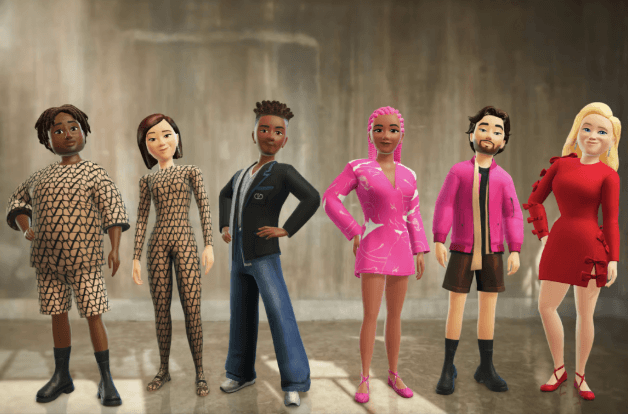
Digital clothing for online avatars reshapes self-representation with dynamic fabrics and real-time shading. Garments move with physics, adapt to platform constraints, and preserve provenance across ecosystems. Interoperable wardrobes enable seamless asset lifecycles, from creation to reuse, while sustainable design reduces waste. As standards converge, creators balance modularity with identity, crafting a scalable language of expression. The next frontier invites governance and collaboration, promising clarity without sacrificing imagination.
How Digital Garments Change Avatar Expression
How digital garments reshape avatar expression hinges on the synergy between fabric behavior and digital signaling. A virtual textile manifests motion, texture, and color shifts that translate intent into perception, enabling nuanced mood cues. Expressive physics governs drape, stretch, and weight, while interface signals refine fidelity. The result: liberated self-presentation, where clothing communicates authenticity through disciplined, kinetic symbolism.
Designing Interoperable Wardrobes Across Platforms
Designing interoperable wardrobes across platforms requires a cohesive standards-driven approach that unifies asset formats, metadata, and rendering semantics. A visionary, precise framework enables scalable metadata and asset provenance to travel between ecosystems with confidence.
Cross platform licensing clarifies rights, while interconnected wardrobes enable seamless swaps.
This trend-forward discipline empowers freedom, fueling innovation without fragmentation across diverse, evolving digital environments.
From Textures to Physics: Making Realistic Digital Fabrics
From textures to physics, digital fabrics are evolving from static appearances into dynamic material simulations that convincingly respond to movement, lighting, and gravity. The shift emphasizes converging texturing pipelines with real-time shading, enabling seamless detail transfer across platforms. Fabric behavior dynamics—thread interaction, crease formation, and drape—map to immersive avatar motion, sustaining freedom-loving users’ expressive range without sacrificing precision.
Ownership, Reuse, and Sustainability in Virtual Fashion
Ownership, reuse, and sustainability in virtual fashion are reshaping how digital garments accumulate value and meaning; by codifying rights, provenance, and lifecycle stewardship, the field aligns creative expression with responsible consumption.
Visionary frameworks emerge: robust ownership models, transparent provenance, and reuse ethics drive adaptive markets, modular design, and circular economies, empowering creators and users to redefine freedom through sustainable, intentional digital wardrobes.
Frequently Asked Questions
How Do Digital Garments Affect Avatar Animation Performance on Mobile Devices?
Digital fabrics influence avatar performance by increasing rendering load; animation optimization becomes crucial under mobile constraints, guiding designers toward lightweight shaders and streaming textures. The vision centers on fluid motion, scalable detail, and freedom through efficient digital couture.
What Are the Best File Formats for Compact, High-Quality Virtual Fabrics?
Compact formats like GLB/BMP? No—actually, they favor GLTF with texture compression and edge compression, delivering high quality with tiny footprints; visionary texture pipelines foresee adaptive streaming, scalability, and freedom for creators across devices.
How Can Users Test Fit Across Different Avatar Shapes and Scales?
To test fit across avatar shapes and scales, practitioners pursue fit accuracy through multi-sizes proxies and adaptive draping, enabling consistent results; robust tooling analyzes avatar scaling, while iterative visualization ensures freedom-oriented designers validate fit across variants.
See also: Dropshipping Technology Explained
Do Digital Clothes Require Periodic Software Updates to Remain Compatible?
Yes, digital clothes may require periodic updates to maintain compatibility. The digital wardrobe evolves with platforms, ensuring cross platform compatibility while preserving autonomy and style for users embracing freedom and future-ready expression.
How Is Consumer Privacy Protected When Purchasing Virtual Apparel?
“Privacy is protected through privacy safeguards, data minimization, and rigorous security standards.” The approach envisions cross platform compatibility while prioritizing user freedom, with transparent policies, auditable protections, and continuous governance that respects individual choice in virtual apparel purchases.
Conclusion
Digital garments stand at a crossroads of creativity and code, where expression is sculpted by physics, texture, and interoperability. The theory that true digital fashion thrives only when assets transcend platforms holds promise, yet its truth reveals itself through practical standards, provenance, and sustainable reuse. Visionary design confirms that scalable wardrobes unlock richer avatars and communities. If designers embrace modularity, real-time shading, and verifiable asset lineage, virtual fashion will realize its potential as a responsible, cross-platform cultural medium.