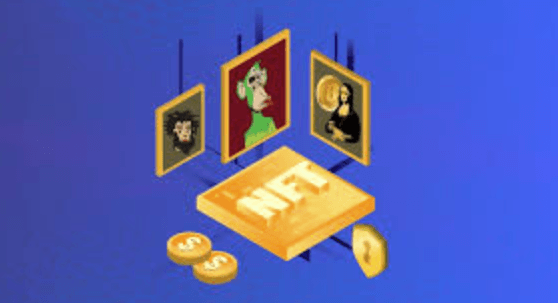
NFTs anchor ownership in the metaverse by stamping verifiable, unique certificates on digital assets. They promise portable provenance across platforms and potential creator royalties, yet governance gaps and security risks temper enthusiasm. Interoperability could expand asset utility, but practical limits remain. In creator ecosystems, NFTs redefine value capture and community dynamics, while governance and scalability choices shape longevity. The debate continues as markets test durability and legitimacy across evolving virtual worlds. The question remains: what lasting impact will these tokens truly secure?
How NFTs Anchor Ownership in the Metaverse
Non-fungible tokens (NFTs) function as verifiable, unique digital certificates of ownership that map to assets within virtual environments, enabling a portable record across platforms. The mechanism anchors control while inviting skepticism about enforceability and fragility.
Ethereal ownership appears legitimate yet precarious. Virtual branding leverages perception more than permanence, shaping incentives without guaranteeing universal interoperability or durable value.
How Interoperability Drives NFT Utility Across Worlds
Interoperability is the linchpin of NFT utility across virtual worlds, determining whether a single digital asset can traverse platforms without losing function or provenance. Analysts note fragmented standards impede seamless use, while interoperability governance aims to align rules and expectations.
Skeptics question incentives for cross chain asset transfers, warning of governance gaps, security risks, and diluted ownership in practice. Freedom requires verifiable compatibility.
How NFTs Shape Creator Economies and Community Currencies
As creators seek new monetization paths in virtual spaces, NFTs are positioned as instruments that reconfigure value capture within creator economies and community currencies. These mechanisms enable NFT governance and creator royalties, yet rely on cross chain bridges, wallet UX, and identity sovereignty.
Digital collectibles, social tokens, and immersive storytelling influence virtual fashion, land scarcity, and platform legitimacy with skeptical, concise scrutiny.
How to Evaluate NFT Projects for Metaverse Alignment
How should one assess NFT projects for metaverse alignment without succumbing to hype? A detached, analytical lens examines utility beyond marketing, focusing on novel governance mechanisms, transparent roadmaps, and verifiable cross chain rarity.
Metaverse ownership should be scalable and interoperable, not fragmentary.
Avatar economics must be sustainable, with clear value capture and governance.
Caution advised; evidence over hype guides prudent alignment.
Frequently Asked Questions
What Legal Rights Do NFT Holders Actually Possess in the Metaverse?
They argue that NFT holders possess limited rights, primarily contractual and provenance-based, with ownership largely defined by platform terms; contract enforcement remains uncertain across jurisdictions, prompting skepticism about lasting control or exclusive privileges within the metaverse.
How Do NFTS Impact Digital Privacy and Data Ownership?
Privacy tradeoffs and data sovereignty shape NFTs by contrasting openness with control; digital footprints persist, yet ownership claims remain fragmented. The analysis remains skeptical: tokens enable access, not absolute privacy, and freedom depends on governance, transparency, and interoperable standards.
Can NFTS Retain Value During Metaverse Platform Crashes or Forks?
NFTs’ value during crashes or forks is uncertain; decentralization risk and platform liquidity heavily influence resilience, with potential price volatility and loss of utility. Skeptical analysis notes anchors may erode if governance or liquidity concentrates. Freedom-minded stakeholders remain cautious.
See also: Dropshipping Technology Explained
Are There Environmental or Energy-Use Concerns Tied to Metaverse NFTS?
Environmental impact and energy footprint are concerns tied to metaverse NFTs. Skeptics note concentrated mining, server demands, and carbon intensity. Analysts emphasize efficiency gains but warn that growth could outpace renewable transitions, threatening freedom with ecological and energy-use constraints.
What Risks Exist for Beginners Purchasing First NFT in the Metaverse?
First-nft purchasers face risks: untrusted marketplaces and unrealistic valuations threaten security and outcomes. The analysis cautions beginners, noting potential scams, volatility, and limited recourse, while preserving freedom-minded skepticism about hype and inconsistent provenance in metaverse assets.
Conclusion
In the metaverse, NFTs formalize ownership and provenance, but their value hinges on real-world utility and governance. An anecdote: a digital sneaker with chain-verified rarity travels across platforms, yet its price wobbles when a platform imposes new rules. A data point suggests cross-chain rarity boosts liquidity, though security and governance gaps temper gains. The conclusion is skeptical: NFT utility depends on interoperable standards and robust, verifiable governance to escape fragmentation and preserve lasting digital legitimacy.